Coatings | Sutton Tools
| PVD Hard Thin Film Coatings | ||||||||||||||||||||||||||||||||||||||||||||||||||||||||||||||||||||||||||||||||||||||||||||||||||||||||||||||||||||||||||||||||||||||||||||||||||||||||||||||||
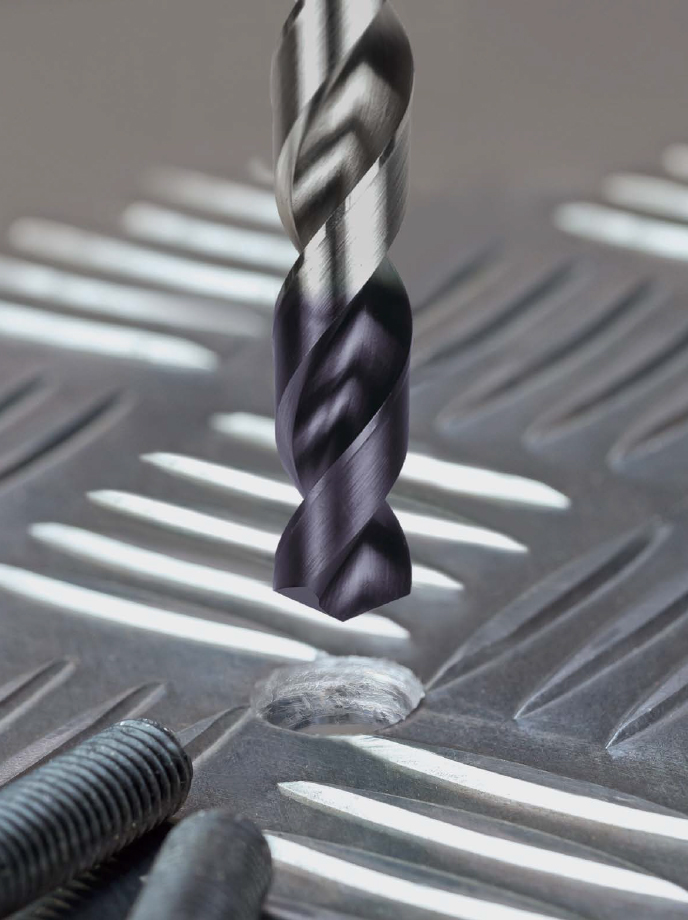
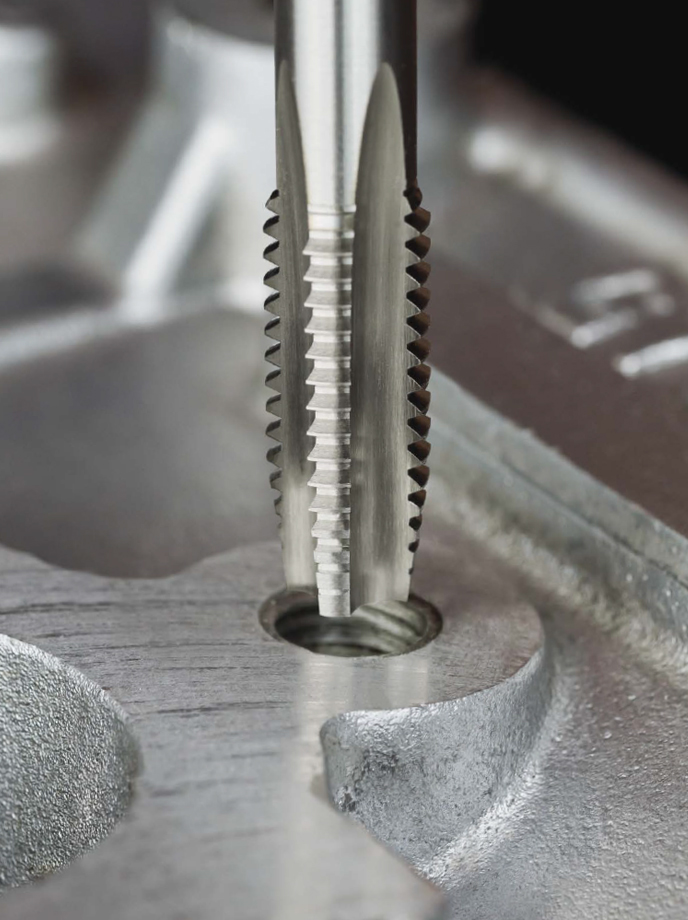
| Surface Technology Coatings is Australia’s only company providing a combined coating, nitriding and heat treatment service to industry with ultra-hard thin film coatings based on physical vapour deposition (PVD) technology. Using world-leading technology, coatings are available to solve a wide range of problems relating to friction and wear, thereby improving tool performance and increasing tool life. Tools or components to be coated are first inspected to insure suitability for coating, and then cleaned using an automatic multi-step process to ensure that they are physically and chemically clean. This is of crucial importance to the success of the coating operation. | ||||||||||||||||||||||||||||||||||||||||||||||||||||||||||||||||||||||||||||||||||||||||||||||||||||||||||||||||||||||||||||||||||||||||||||||||||||||||||||||||
| Benefits of Surface Technology PVD coatings include: | ||||||||||||||||||||||||||||||||||||||||||||||||||||||||||||||||||||||||||||||||||||||||||||||||||||||||||||||||||||||||||||||||||||||||||||||||||||||||||||||||
| ||||||||||||||||||||||||||||||||||||||||||||||||||||||||||||||||||||||||||||||||||||||||||||||||||||||||||||||||||||||||||||||||||||||||||||||||||||||||||||||||
| Quality | ||||||||||||||||||||||||||||||||||||||||||||||||||||||||||||||||||||||||||||||||||||||||||||||||||||||||||||||||||||||||||||||||||||||||||||||||||||||||||||||||
| To ensure the PVD coatings produced at Surface Technology Coatings meet both the requirements of the customer and compliance with ISO 9001:2008 and other applicable standards, full visual assessment of coated items are carried out prior to despatch of components to customers. As part of Surface Technology Coatings total coating services a continuous programme of coating development projects are in operation with various research organisations world-wide to ensure we maintain our high level of coating technology. To meet today’s stringent quality standards, Surface Technology Coatings has set up a comprehensive range of facilities. These include a metallurgical laboratory and a range of hardness testing equipment. The laboratory has access to optical and electron microscopes as well as a comprehensive range of analytical apparatus for performing routine quality assessments and development work. | ||||||||||||||||||||||||||||||||||||||||||||||||||||||||||||||||||||||||||||||||||||||||||||||||||||||||||||||||||||||||||||||||||||||||||||||||||||||||||||||||
| PVD Coating Applications | ||||||||||||||||||||||||||||||||||||||||||||||||||||||||||||||||||||||||||||||||||||||||||||||||||||||||||||||||||||||||||||||||||||||||||||||||||||||||||||||||
| ||||||||||||||||||||||||||||||||||||||||||||||||||||||||||||||||||||||||||||||||||||||||||||||||||||||||||||||||||||||||||||||||||||||||||||||||||||||||||||||||
| ||||||||||||||||||||||||||||||||||||||||||||||||||||||||||||||||||||||||||||||||||||||||||||||||||||||||||||||||||||||||||||||||||||||||||||||||||||||||||||||||
| Preconditions for PVD Coatings | ||||||||||||||||||||||||||||||||||||||||||||||||||||||||||||||||||||||||||||||||||||||||||||||||||||||||||||||||||||||||||||||||||||||||||||||||||||||||||||||||
| Materials that can be coated include carbides, high speed steels, hot work tool steels, certain copper alloys, stainless steels and nitridable alloy steels. Cold work tool steels can be coated if they are tempered at least three times at the maximum secondary hardening temperature. In general all materials that can withstand a coating temperature of 500ºC, without softening or distortion, can be successfully PVD coated. Certain coatings are applied at 600ºC and these are in general only suitable for carbide substrates. Brazed parts can also be coated if the brazing material is temperature resistant (melting point >600°C) and does not contain cadmium or zinc. Our first recommendation is that each new application should be evaluated using the combined knowledge of the tool user and coating centre specialist to choose the best pre-treatment and coating. | ||||||||||||||||||||||||||||||||||||||||||||||||||||||||||||||||||||||||||||||||||||||||||||||||||||||||||||||||||||||||||||||||||||||||||||||||||||||||||||||||
| What materials can be coated | ||||||||||||||||||||||||||||||||||||||||||||||||||||||||||||||||||||||||||||||||||||||||||||||||||||||||||||||||||||||||||||||||||||||||||||||||||||||||||||||||
| • All secondary hardening tool steels. - - HSS Grades, examples: T-15, M-2, M-35, M-42, ASP Grades - - Cold Work Tool Steels, examples: D-2, A-2 - - Hot Work Tool Steels, examples: H-13, H-11 • Stainless Steels - 300 series (Austenitic) stainless, 400 Series (Martensitic) stainless, age hardenable Ph stainless (above H-950) examples: 304, 420, 410C, 17-4 Ph. • Carbide and Cermets - All carbide grades are acceptable. • Carbide Tipped Tools - can be coated when brazing materials are free of Zinc and Cadmium Note: Please consult Surface Technology Coatings before sending carbide tipped tools for coating to verify contents of brazing materials. • Pre-hardened steels, example: P20. • Miscellaneous - Ampcoloy 940, 945 and others, Beryllium coppers, Titanium and Titanium Alloys, Nickel and Nickel Alloys, Inconels, monels, aerospace and refractory metals and alloys. | ||||||||||||||||||||||||||||||||||||||||||||||||||||||||||||||||||||||||||||||||||||||||||||||||||||||||||||||||||||||||||||||||||||||||||||||||||||||||||||||||
| Materials that can be coated but may lose hardness | ||||||||||||||||||||||||||||||||||||||||||||||||||||||||||||||||||||||||||||||||||||||||||||||||||||||||||||||||||||||||||||||||||||||||||||||||||||||||||||||||
| Heat treated materials such as carbon and low alloy steels with tempering temperatures below 450°C will lose hardness points due to coating temperatures. | ||||||||||||||||||||||||||||||||||||||||||||||||||||||||||||||||||||||||||||||||||||||||||||||||||||||||||||||||||||||||||||||||||||||||||||||||||||||||||||||||
| What materials cannot be PVD Hard Thin Film Coated | ||||||||||||||||||||||||||||||||||||||||||||||||||||||||||||||||||||||||||||||||||||||||||||||||||||||||||||||||||||||||||||||||||||||||||||||||||||||||||||||||
| ||||||||||||||||||||||||||||||||||||||||||||||||||||||||||||||||||||||||||||||||||||||||||||||||||||||||||||||||||||||||||||||||||||||||||||||||||||||||||||||||
| Surfaces that are best for PVD Hard Thin Film Coating | ||||||||||||||||||||||||||||||||||||||||||||||||||||||||||||||||||||||||||||||||||||||||||||||||||||||||||||||||||||||||||||||||||||||||||||||||||||||||||||||||
| ||||||||||||||||||||||||||||||||||||||||||||||||||||||||||||||||||||||||||||||||||||||||||||||||||||||||||||||||||||||||||||||||||||||||||||||||||||||||||||||||
| Other surfaces requiring special treatment before coating | ||||||||||||||||||||||||||||||||||||||||||||||||||||||||||||||||||||||||||||||||||||||||||||||||||||||||||||||||||||||||||||||||||||||||||||||||||||||||||||||||
| ||||||||||||||||||||||||||||||||||||||||||||||||||||||||||||||||||||||||||||||||||||||||||||||||||||||||||||||||||||||||||||||||||||||||||||||||||||||||||||||||
| Conditions on Components | ||||||||||||||||||||||||||||||||||||||||||||||||||||||||||||||||||||||||||||||||||||||||||||||||||||||||||||||||||||||||||||||||||||||||||||||||||||||||||||||||
| The components must be held for coating; therefore they must have holes, threads or surfaces that can remain uncoated. In order to coat a component all over generally requires two coats and is charged accordingly. It must be possible to mechanically mask surfaces which are to remain uncoated. Components with internal surfaces (holes, slots) can also be coated. Depending on the geometry of the component, the coating thickness decreases with the depth of the hole or slot. Blind holes and female threads must be free of hardening salts and other contaminants. It is for this reason vacuum heat treatment is strongly recommended when PVD hard thin film coatings are to be applied. For components that have been previously used in service prior to coating, please inform our staff as out-gassing is required to optimise coating adhesion. | ||||||||||||||||||||||||||||||||||||||||||||||||||||||||||||||||||||||||||||||||||||||||||||||||||||||||||||||||||||||||||||||||||||||||||||||||||||||||||||||||
| ||||||||||||||||||||||||||||||||||||||||||||||||||||||||||||||||||||||||||||||||||||||||||||||||||||||||||||||||||||||||||||||||||||||||||||||||||||||||||||||||
| *Only available on application. Certain pre-conditions may apply. **Other coating thicknesses can be supplied on application. | ||||||||||||||||||||||||||||||||||||||||||||||||||||||||||||||||||||||||||||||||||||||||||||||||||||||||||||||||||||||||||||||||||||||||||||||||||||||||||||||||
| Vacuum Heat Treatment | ||||||||||||||||||||||||||||||||||||||||||||||||||||||||||||||||||||||||||||||||||||||||||||||||||||||||||||||||||||||||||||||||||||||||||||||||||||||||||||||||
| TurboTreater® and Turbo-Vac: The best in vacuum heat treatment STC offers premium quality vacuum heat treatment using the latest technology from Abar Ipsen. Our 12 bar TurboTreater® furnace, with convection heating, has enabled STC to gain Ford (FMC) provisional supplier status, recognising STC as a heat treatment supplier for high pressure die casting applications. The patented nozzle design, cylindrical hot zone and sophisticated computer control gives the TurboTreater® a competitive edge in quenching large workpieces, up to 1 tonne, reliably and repeatedly. Our 6 bar Turbo-Vac furnace features convection heating and directional nozzles for through load cooling, giving advantages in uniform quenching of multi-component or slender workpieces. The benefits of our combined technologies include: • minimal workpiece distortion • excellent temperature uniformity (±5°C) • reduced cycle times - quicker customer service • metallurgically clean surfaces - eliminating additional processes to remove scale and oxide • ecologically clean and safe • reliable, reproducible results due to fully programmable computer control • QA documentation can be supplied with every furnace batch. • Choice of radial or directional quenching to suit furnace load. | ||||||||||||||||||||||||||||||||||||||||||||||||||||||||||||||||||||||||||||||||||||||||||||||||||||||||||||||||||||||||||||||||||||||||||||||||||||||||||||||||
| Heat treatment processes and materials suitable for Turbo-Vac | ||||||||||||||||||||||||||||||||||||||||||||||||||||||||||||||||||||||||||||||||||||||||||||||||||||||||||||||||||||||||||||||||||||||||||||||||||||||||||||||||
| Surface Technology Coatings specialise in premium quality vacuum through hardening and tempering of high speed steels, hot work steels, cold work steels and martensitic stainless steels and age hardening steels. The aim is to provide the customer with a heat treated product that has the optimum combination of hardness and microstructure while keeping distortion to a minimum. | ||||||||||||||||||||||||||||||||||||||||||||||||||||||||||||||||||||||||||||||||||||||||||||||||||||||||||||||||||||||||||||||||||||||||||||||||||||||||||||||||
| Quality Control | ||||||||||||||||||||||||||||||||||||||||||||||||||||||||||||||||||||||||||||||||||||||||||||||||||||||||||||||||||||||||||||||||||||||||||||||||||||||||||||||||
| Surface Technology Coatings has built its reputation on being able to offer a high quality, reproducible and guaranteed product back to the customer every time. Having the latest testing and analytical equipment, our metallurgical laboratory can process test samples for certification of every process batch. This commitment to quality allows us to be a Quality Endorsed Company (ISO 9001:2008) and meet today’s stringent quality requirements. Our experienced technicians accurately record all processing parameters and monitor all processing variables. They will work directly with your material, design or manufacturing engineers to determine the optimum processing methods to meet your requirements. | ||||||||||||||||||||||||||||||||||||||||||||||||||||||||||||||||||||||||||||||||||||||||||||||||||||||||||||||||||||||||||||||||||||||||||||||||||||||||||||||||
| Plasma Nitriding | ||||||||||||||||||||||||||||||||||||||||||||||||||||||||||||||||||||||||||||||||||||||||||||||||||||||||||||||||||||||||||||||||||||||||||||||||||||||||||||||||
| Surface Technology Coatings introduced Australia’s first commercial plasma nitriding facility in 2002. The revolutionary NitroPlas system generates a plasma on a large cage surrounding the entire workload in a vacuum furnace. The workload is uniformly and efficiently heated by the cage. Problems associated with conventional plasma nitriding, where the plasma is generated on the parts, such as over heating by the hollow cathode effect and damage caused by arcing are thus greatly reduced. The NitroPlas white layer is hard and tough reducing the need for post-treatment grinding. The nitride precipitates produced in the diffusion zone are smaller and more evenly dispersed than those produced by gas nitriding which considerably improves the toughness and fatigue properties when using NitroPlas. | ||||||||||||||||||||||||||||||||||||||||||||||||||||||||||||||||||||||||||||||||||||||||||||||||||||||||||||||||||||||||||||||||||||||||||||||||||||||||||||||||
| NitroPlas Benefits | ||||||||||||||||||||||||||||||||||||||||||||||||||||||||||||||||||||||||||||||||||||||||||||||||||||||||||||||||||||||||||||||||||||||||||||||||||||||||||||||||
| ||||||||||||||||||||||||||||||||||||||||||||||||||||||||||||||||||||||||||||||||||||||||||||||||||||||||||||||||||||||||||||||||||||||||||||||||||||||||||||||||
| Suitable Materials | ||||||||||||||||||||||||||||||||||||||||||||||||||||||||||||||||||||||||||||||||||||||||||||||||||||||||||||||||||||||||||||||||||||||||||||||||||||||||||||||||
| - Most alloy steels containing chromium and molybdenum eg: 4140, 4340 - High alloy steels also containing aluminium, tungsten and vanadium eg: DIN 1.8550 - Austenitic and martensitic stainless steels eg: 300 and 400 series - High speed steels eg: M2, M42, T15 - Cast irons - Plastic mould steels eg: P20 - Sintered or powder metallurgy materials eg: ASP 23 - Cold work steels eg: D2, A2 - Hot work steels eg: H11, H13 Applications - Aluminum extrusion dies - Nuts and bolts - Aerospace components - Press tools - Machine tool spares - Automotive components - Plastic extrusion and injection moulding tools - Forging dies - Tool holders - Valve and pump components - Shafts and gears - Rollers - Ejector pins - Die casting dies - Sintered components |